
Peri-Implantitis: Non-Surgical Treatment
Curettes and/or ultrasonics. Air polishing is not recommended subgingivally.
Critical distinction from mucositis: Curettes + ultrasonics recommended. Air polishing not recommended subgingivally.
Evidence Guidelines & evidence
- EFP S3 R7.1
In patients with peri-implantitis, we recommend therapy to retain an individually acceptable implant/prosthesis as the first line of treatment. Peri-implantitis therapy starts with a non-surgical step, followed by re-evaluation.
Source ↗ - EFP S3 R7.2
Non-surgical step should include: OH instructions and motivation, risk factor control, prosthesis cleaning/removal/modification, supramarginal and sub-marginal instrumentation, concomitant periodontal therapy as needed.
- EFP S3 R7.4
We recommend performing non-surgical supra- and sub-marginal instrumentation with curettes and/or sonic/ultrasonic devices.
- AAP 2018 Classification
Peri-implantitis is a plaque-associated pathological condition characterized by inflammation in the peri-implant mucosa and subsequent progressive loss of supporting bone.
Source ↗ - AAP Best Evidence Consensus 2018
Mechanical debridement with or without adjunctive therapies remains the foundation of non-surgical peri-implantitis management.
1 OH instructions & risk factor control
First step in non-surgical treatment. Individually tailored oral hygiene instructions. Manage modifiable risk factors (smoking, diabetes, poor hygiene, non-adherence). Check for prosthetic overhangs and biofilm-retentive factors; modify prosthesis access where needed (R7.2).
2 Sub-marginal instrumentation
Supra- and sub-marginal instrumentation with curettes and/or sonic/ultrasonic devices (R7.4). Do NOT use air polishing subgingivally (R7.6). Do NOT use lasers (R7.5). Assess BOP, suppuration, increased probing depth and radiographic bone loss beyond remodeling before instrumentation.
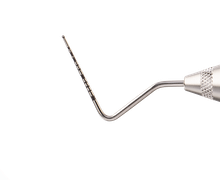 EFP Probe Hero
 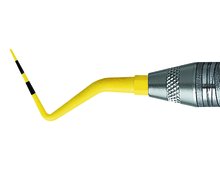 ColorVue Probe
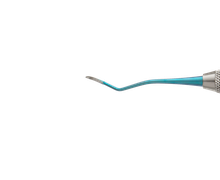 Implacare TIS Hero
 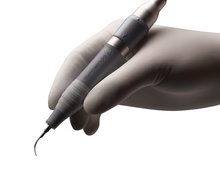 PWR Piezo Hero
 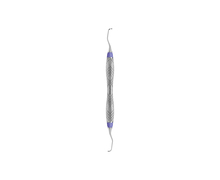 Gracey Curettes
 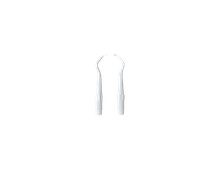 Implacare II
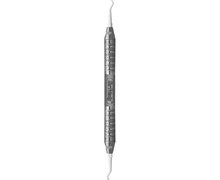
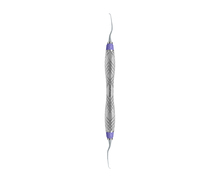
3 Concomitant periodontal therapy
If periodontal disease is detected at adjacent natural teeth, treat concurrently (R7.2). Do not leave an untreated periodontal reservoir alongside implant therapy.
Expert perspectives
“Disease resolution rates with non-surgical therapy are modest in the U.S. population — set realistic expectations and re-evaluate at six to twelve weeks.”
“Titanium-safe instrumentation combined with patient-level risk control is what separates durable outcomes from recurrence in our hands.”
Related resources
- EFP S3 Clinical Practice Guideline (Peri-Implant Diseases)
Full-text clinical guideline (Herrera et al. 2023) — the underlying evidence for the non-surgical protocol
- Peri-implantitis decision aid (patient-facing)
Downloadable leaflet explaining peri-implantitis and treatment options in plain language